
Yangzhou University (YZU) is a key comprehensive public university located in Yangzhou, Jiangsu Province, China, co‑sponsored by the People’s Government of Jiangsu Province and the Ministry of Education. YZU is renowned for its strong academic foundation, broad range of disciplines, and significant research achievements. As one of the first universities in China authorized to grant master’s and doctoral degrees following its consolidation, YZU integrates tradition and modern innovation in education with roots dating back to 1902 when the visionary educator Mr. Zhang Jian founded early educational institutions in the region.
With more than 43,000 full‑time students, including over 1,000 international students, YZU provides a vibrant and multicultural campus environment. The university’s 27 colleges offer 116 undergraduate programs, along with postgraduate and research opportunities, supported by outstanding faculty members and world‑class research output. Several disciplines such as Chemistry, Plant and Animal Sciences, Engineering, and Agricultural Sciences are ranked in the top 1% globally according to the Essential Science Indicators (ESI), highlighting the university’s research strengths.
YZU has established academic cooperation with over 220 universities and research institutions across more than 40 countries, strengthening its global footprint and providing international students with diverse opportunities for academic and cultural exchange.
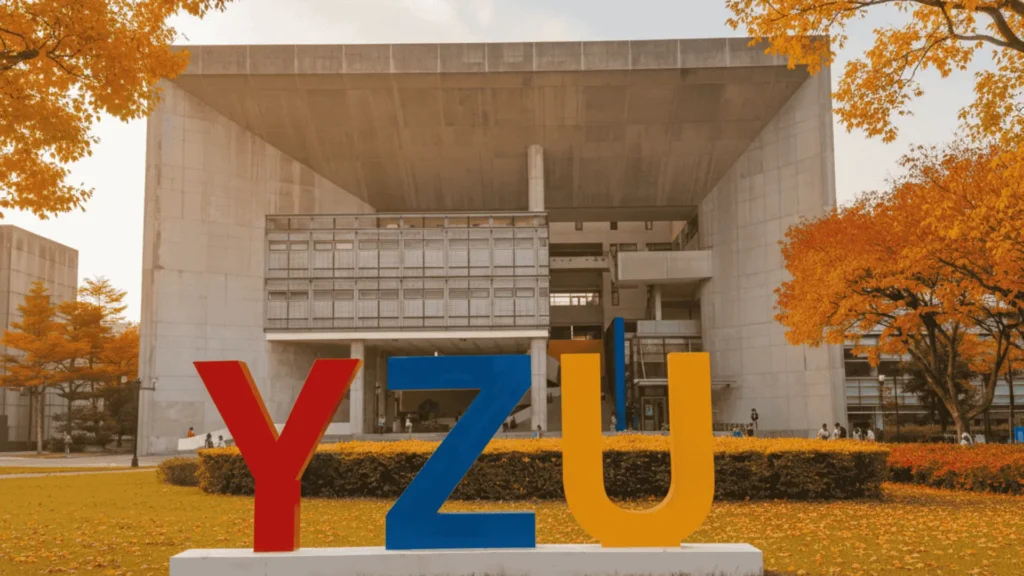
Why Study at Yangzhou University (YZU)?
Academic Excellence & Research Strength
- YZU offers a comprehensive academic portfolio covering science, engineering, medicine, agriculture, management, humanities, and more.
- Several disciplines are recognized in the ESI top 1% worldwide, demonstrating strong research performance and international scientific impact.
- The university supports over 14 postdoctoral stations, 11 doctoral level programs, and 44 master’s level programs.
Multicultural & Global Campus
- Over 1,000 international students from different countries enrich the campus with diverse cultural perspectives.
- YZU’s partnerships with institutions in 40+ countries open doors for student exchanges, joint research, and collaborative programs.
Campus & Facilities
- Eight campuses spanning approximately 267 hectares (~4,090 mu) with modern lecture halls, laboratories, libraries, sports facilities, and student living spaces.
- Rich campus resources support a balanced academic and social life for students.
Career & Development Opportunities
- Strong connections with industry and research institutes improve internship and employment pathways for graduates in China and abroad.
- Career services and academic advising are available to support student growth and competitiveness.
Yangzhou University Programs & Tuition Fees
Below is the detailed tuition fee structure for key programs at YZU for the 2026 academic year (fees approximate and subject to change based on exchange rates and specific majors).
Tuition Fee Table (Per Academic Year)
| Program Level | Program Name | Approx. Tuition Fee |
|---|---|---|
| Undergraduate (Bachelor’s) | Civil Engineering | 40,552 MXN (approx.) |
| International Business | 40,552 MXN | |
| MBBS (Medical Degree) | 76,035 MXN | |
| Machine Design & Manufacturing & Automation | 40,552 MXN | |
| Microelectronics Science & Engineering | 40,552 MXN | |
| Master’s Programs | Physics | 20,000 CNY |
| Software Engineering | 20,000 CNY | |
| Agrostology | 20,000 CNY | |
| Animal Husbandry | 20,000 CNY | |
| Clinical Medicine | 26,000 CNY |
Estimated Cost of Living in Yangzhou
International students should plan for additional living expenses beyond tuition. Below are typical annual cost estimates for accommodation, daily living, and other essentials in Yangzhou:
| Expense Type | Estimated Annual Cost (RMB) |
|---|---|
| On‑Campus Accommodation | 5,000 – 10,000 |
| Off‑Campus Rent | 10,000 – 20,000 |
| Food & Daily Essentials | 10,000 – 18,000 |
| Transportation | 3,000 – 5,000 |
| Medical Insurance | 600 – 900 |
| Books & Miscellaneous | 2,000 – 3,500 |
Yangzhou generally has a lower cost of living compared to first‑tier cities, making it an affordable place for international students.
Admission Requirements (General Overview)
Admissions criteria may vary by program, level, and language of instruction, but generally include:
Bachelor’s Degree Applicants
- Completed high school diploma or equivalent credentials
- Academic transcripts
- Proof of language proficiency (HSK for Chinese‑taught programs or IELTS/TOEFL for English‑taught programs when available)
- Application form and passport copy
Master’s Degree Applicants
- Bachelor’s degree from a recognized institution
- Academic transcripts and diploma
- Personal statement or study plan
- Two recommendation letters (may be required)
- Language proficiency as per program
Doctoral Program Applicants
- Master’s degree certificate
- Academic transcripts
- Research proposal (usually required)
- Academic references
- Language proficiency evidence
Scholarships & Financial Support
YZU offers a range of scholarship opportunities to support international students:
Major Scholarship Options
- Chinese Government Scholarship (CSC): Full/partial tuition coverage, monthly stipend, and accommodation support.
- Jiangsu Provincial Scholarship: Financial awards for high‑performing international students.
- Yangzhou University Academic Scholarships: Merit‑based tuition waivers or reductions based on academic excellence.
These scholarship options significantly reduce the financial burden of study and make YZU accessible to talented students globally.
Campus Life & Student Support
Facilities & Resources
- Comprehensive libraries and research centers
- Modern laboratories and innovation hubs
- Sports complexes, arts centers, and cultural spaces
International Student Services
- Orientation programs for academic and cultural integration
- Mandarin language support and cultural workshops
- Internship and career counseling services
Frequently Asked Questions (FAQs)
Yes. YZU is a well‑established comprehensive university in China, known for research excellence and strong global collaborations.
Popular fields include Engineering, Economics, Business, Medical Sciences, Agriculture, and Natural Sciences.
Most undergraduate and graduate programs are taught in Chinese and require HSK certification. Some programs may offer English‑taught options; always check specific program requirements.