
Guangxi Normal University (GXNU) is a well-established public comprehensive university located in the world-famous scenic city of Guilin, Guangxi, China. Founded in 1932, GXNU is among the earliest normal (teacher-training) institutions in modern China and has played a vital role in the development of higher education in the Guangxi region.
The university is co-funded by the Guangxi Provincial Government and the Ministry of Education of the People’s Republic of China, highlighting its strategic importance at both provincial and national levels. Over the decades, GXNU has evolved from a specialized teacher-training college into a nationally recognized comprehensive university offering undergraduate, master’s, and doctoral programs across a wide range of academic disciplines.
GXNU is especially known for its strong foundation in teacher education, balanced development of science and humanities, and its active role in international academic exchange.
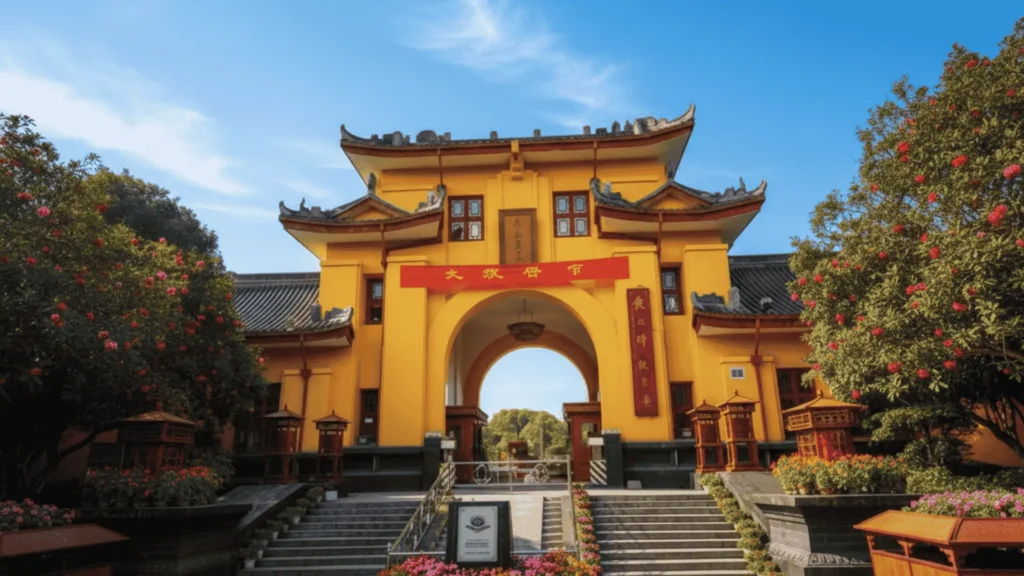
Academic Profile & Disciplines
Guangxi Normal University offers degree programs at Undergraduate, Graduate (Master’s), and Doctoral (PhD) levels. The university covers a broad academic spectrum, making it suitable for students from diverse educational backgrounds.
Major Academic Fields:
- Philosophy
- Economics
- Law
- Education
- Literature
- History
- Science
- Engineering
- Agricultural Science
- Management
- Medicine
- Arts
GXNU is particularly respected for:
- Teacher Education & Pedagogy
- Basic Sciences
- Liberal Arts & Humanities
- Regional Cultural Studies
Its long-standing commitment to educational excellence has made it a major talent cultivation center in southern China.
Student Population & Campus Life
Guangxi Normal University hosts a large and diverse student community, creating a vibrant academic atmosphere.
Student Statistics:
- Undergraduate Students: 26,831
- Graduate Students: 6,386
- PhD Candidates: 171
- International Students: 1,600+
- Correspondence & Visiting Students: 16,000+
The university has trained over 300,000 teachers and professionals, contributing significantly to China’s education system, especially in Guangxi.
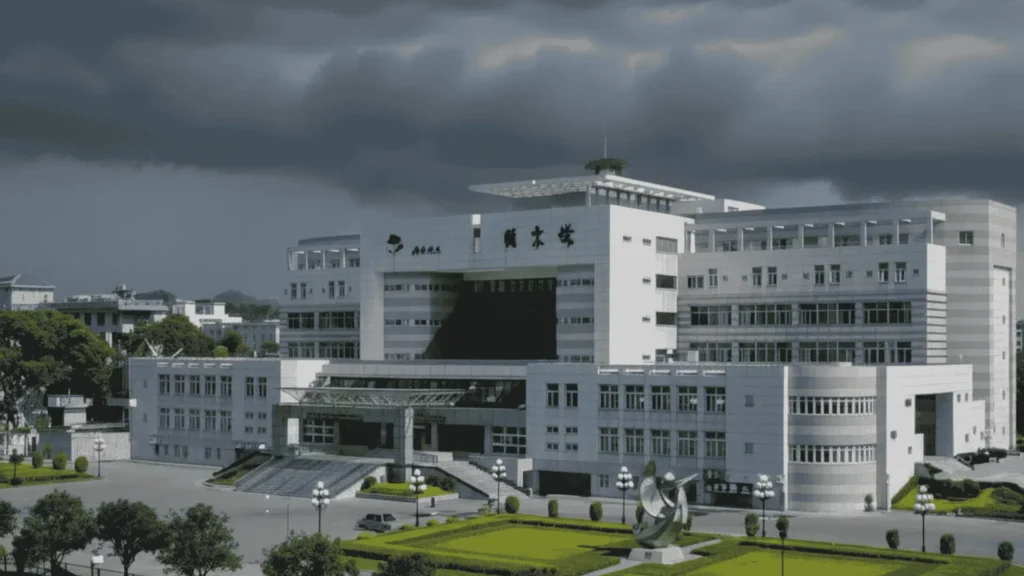
International Education & Cultural Exchange
GXNU actively promotes international cooperation and welcomes students from various countries under different academic and cultural exchange programs. International students benefit from:
- Multicultural campus environment
- Chinese language and degree programs
- Academic exchange opportunities
- Cultural immersion in one of China’s most scenic cities
The university’s emphasis on cultural heritage preservation and global academic collaboration makes it an appealing choice for international learners.
Location Advantage – Guilin, Guangxi
GXNU is located in Guilin, a city globally renowned for its:
- Karst mountains and river landscapes
- Cultural heritage and tourism
- Affordable living costs
- Safe and student-friendly environment
Studying in Guilin offers a peaceful academic setting combined with rich cultural exposure, ideal for focused learning and personal development.

Teaching Philosophy & Institutional Values
GXNU is guided by a strong academic philosophy emphasizing:
- Respect for teachers
- Academic integrity
- Collaboration and teamwork
- Innovation in teaching methods
- Social responsibility
In 2012, a visit by a State Councilor further reinforced the university’s vision to become a first-class institution with distinctive features, especially in teacher education and foundational disciplines.
FAQs
GXNU holds a solid reputation nationally, particularly in Guangxi, due to its long history, educational contributions, and comprehensive academic structure.
The university offers Bachelor’s, Master’s, and PhD programs across multiple disciplines.
GXNU is widely recognized for its excellence in teacher education, basic sciences, humanities, and regional cultural studies.
Yes, GXNU is a public university co-funded by the Guangxi Provincial Government and China’s Ministry of Education.